Fake News, Social Media, and Russian Influence

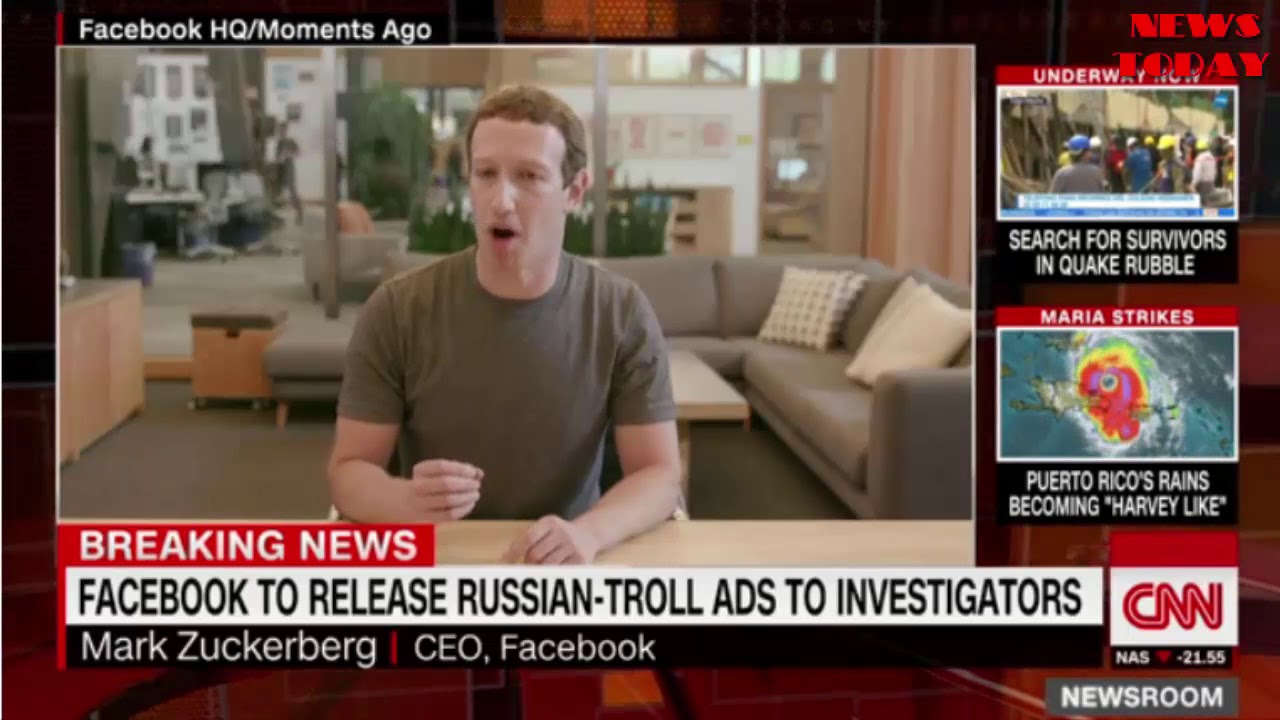
In the days following the 2016 election Mark Zuckerberg said, “The idea that fake news on Facebook, of which it’s a very small amount of the content, influenced the election in any way I think is a pretty crazy idea.” Since then Facebook has uncovered more than $100,000 of ad spending by Russian operatives designed to highlight divisive election issues. In late September Zuckerberg issued an apology saying, “Calling that crazy was dismissive and I regret it.”

It now appears that social media regret is more widespread as well. This past week Twitter admitted to a Congressional panel that it too was targeted by Russian operatives attempting to influence the election.

According to Recode,

Twitter informed congressional investigators of its findings in a series of briefings in Washington, D.C., on Thursday — and the revelations are sure to stoke further speculation on Capitol Hill that Kremlin agents sought to co-opt social media platforms to stir social and political unrest in the U.S.

In a separate report, Recode reported…

…about 20 percent of tweets sampled around the U.S. presidential election qualified as “polarizing and conspiracy content,” including links to “junk news,” WikiLeaks or Russian sources, like Sputnik and RT.

Next on the stand will be Google. Congress wants to know whether its email, advertising, and YouTube services were compromised by Russian operatives attempting to manipulate the outcome of the Presidential election.

In all of these instances it is becoming apparent that the meddling was intended to influence the outcome of the election not by promoting or attacking any one candidate, but by stoking political unrest on a variety of hot-button social issues, including: immigration, gun control, religion, LGBT, and racial issues such as Black Lives Matter.

CNN reported that a Russia-backed account called Blacktivists used Facebook and Twitter to promote racial tension and its Facebook account had more “Likes” than the Black Lives Matter Facebook account.

According to a report published in the Washington Post,

These targeted messages, along with others that have surfaced in recent days, highlight the sophistication of an influence campaign slickly crafted to mimic and infiltrate U.S. political discourse while also seeking to heighten tensions between groups already wary of one another.

Even if Congress cracks down on reporting of political ads on social media there is little evidence that much will change. After all, these are not political ads by traditional definitions.

There are, however, a couple of take-aways from these reports. First, if you’re consuming news exclusively on social media you are vulnerable to manipulation. And second, hyper-partisanship makes us even more likely to believe propaganda and lies. The first issue is fairly easy to address…the second will take significantly greater effort.

Televised Sports and Politics


I’m sure you’ve seen and heard the noise in recent weeks around the topic of politics and sports. From ESPN sportscaster Jemele Hill’s critique of President Trump to the #TakeAKnee protest this past Sunday, sports and politics appear to be on a collision course. LeBron James and Steph Curry have traded tweets with President Trump regarding the Warrior’s invite to the Whitehouse.

I don’t know about you, but my social media feed is overflowing with opinions as NFL players responded today to President Trump’s comments a few days ago calling out players who have protested racism during the playing of the National Anthem.

Thankfully this is a media blog and not a political blog…so I’ll do my best to limit my comments to the issues related to the mass media industries and free speech and expression protected by the First Amendment.

Televised sports has largely been a place where fans have gone to escape politically charged issues. With a highly integrated roster, pro sports teams have actually been able to avoid much of the racially divisive issues that have troubled other sectors of society. There have been notable exceptions of course: the Black Power protest at the 1968 Olympic games, Muhammad Ali’s protest of the Vietnam War, and others.

Even though we have been experiencing a highly polarized political climate of late, TV programmers (with the exception of Sunday morning political talk shows, cable news networks, and late night comics) typically avoid political debates. When advertising revenue is your bottom line, political issues are dangerous because they risk alienating large segments of viewers who turn on their TVs to be entertained, not excoriated.

To be clear, professional athletes, like all Americans, have a First Amendment right to express their political concerns. But the First Amendment does not apply to non-governmental entities. So while the government can do nothing to penalize these protests and protestors, team owners can legally enact policies that restrict players’ rights to express themselves while representing the team. That’s how MLB owners can restrict visible tattoos that contain brands, the NBA can fine Kobe Bryant for an anti-gay slur, and any team can discipline a player for his/her private use of social media. In an interesting twist, college athletes playing for a state-school are legally much more protected for their personal use of social media since the university is an agent of the state which is an extension of government. (see more here)

P.S. No matter what you’re political opinions, you might have strong feelings about the Unsportsmanlike Conduct penalty against Von Miller in Sunday’s game against the Bills! 🙂


Big Night for TV

I wanted to write something pithy and relevant about tonight’s Emmy Awards telecast. Instead, I’ll start with this quote from Adam Epstein at Quartz,

Every year, the biggest stars in television gather in a theater in Los Angeles and celebrate how great they all are.

They wear expensive dresses and tuxedos, award each other big golden trophies, pat each other on the backs, and give sappy speeches about “making it.” This garish party is an exercise in narcissism, which is part of the reason TV ratings for it and all award shows are in steady decline.

And yet, the Emmys still matter. TV critic Alan Sepinwall put it best when he pointed out that the Emmys are the prevailing historical record for the medium of television. They are the ultimate measuring sticks—the ones that will still be studied decades from now when all the Twitter threads, think pieces, and water cooler conversations have been lost in the ether. The Emmys are forever.

We’re still a week away from talking about TV in the Media & Society class, but with the Emmy awards and Ken Burn’s first episode of The Vietnam War, a 10-part, 18 hour documentary series, both airing tonight I needed to acknowledge the moment.

TV has been called a lot of things, including the boob-tube and the idiot box. Someone once said, “a poor man has a large TV…a rich man has a large library,” and people who watch a lot of TV are called couch potatoes. TV has taken a lot of well-deserved criticism.

But TV has also been unfairly criticized for failing to deliver what it never intended or promised. Parents have wanted it to be a babysitter and nanny but that was never its strong suite. There have been a few bright spots—Sesame Street and Reading Rainbow spring to mind. But it is much easier to point out the failures.

Political scientists want TV to be a channel for political discourse and a means to an informed electorate. 60 Minutes, Meet the Press, and various other news programs have made significant contributions, but service to advertisers and the networks’ bottom line has blunted their success.

TV has certainly delivered when we demanded mindless entertainment to distract us from real reality. Sitcoms, game shows and reality TV deliver top-notch diversion and binge watching allows us to sustain that diversion for days on end.

So enjoy the Emmys if you like, but even better block out 18 hours to watch the latest Ken Burns masterpiece. I had the pleasure of seeing about an hour’s worth of segments and to hear from Ken Burn when he visited Colorado Spring a few weeks back. It’s going to be a great show. Whether it wins an Emmy or not, I’m convinced that this is what TV does well…and that makes it well worth your time.

Russia used Facebook to Try to Influence the 2016 Election

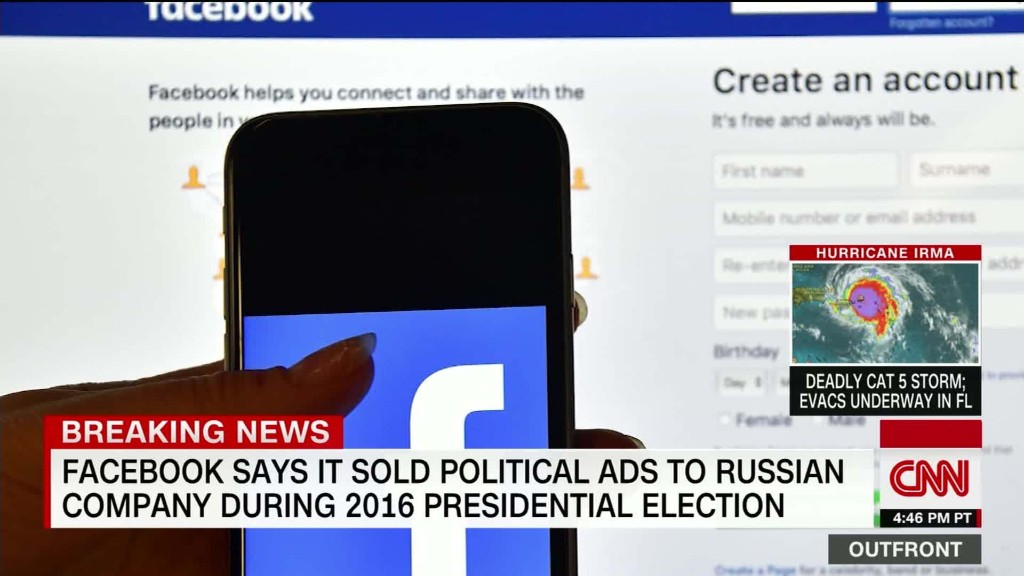
New reports are surfacing claiming that Russia was behind an effort to influence the 2016 Presidential election. Facebook itself is releasing information suggesting that it carried approximately $100,000 of advertising that was “connected to about 470 inauthentic accounts and Pages in violation of our policies.” Using fake Facebook accounts, highly-targeted ads pushed traffic to websites designed to promote a narrative that was pro-Trump and/or anti-Clinton.

Zuckerberg had previously claimed that social media manipulations were not responsible for the Trump victory, but these new revelations may reopen that debate. In response, some lawmakers are calling for regulations that would make political ad buys on social media more transparent.

Twitter has also indicated that it will look into Russian meddling that may have targeted their platform.


css.php