Journalism after the Mueller Report

The highly-anticipated Mueller Report is finally out with a finding of no collusion by President Trump and his staff. The other charge, obstruction of justice, does not have sufficient evidence for it to be pursued at this time. According to USA Today, here are some stats:

  • 34 individuals indicted (for crimes unrelated to the collusion narrative)
  • 2,800 subpoenas
  • 500 search warrants
  • 500 witnesses
  • $25 million in costs

For some journalists and partisans the news was a great disappointment after years of speculation about the fate of President Trump. For others it was final vindication of the charges that the investigation was a “witch hunt” and a conspiracy theory resulting in years of “fake news.”

The question remains: did the national press fail by engaging in reporting that went too far to advance a story that did not, in the end, have merit? According to Fox News analyst Brit Hume, “It is the worst journalistic debacle of my lifetime and I’ve been in this business about 50 years. I’ve never seen anything quite this bad last this long.” Others argued that the run up to the Iraq War was a greater failure for the press.

In both cases partisan biases were motivating factors and failures to stick to the facts led many to speculate about things that turned out to be untrue. The end result was a loss of credibility and a growing level of distrust by news consumers. News credibility depends of a perception of trust…and if you lose that you’ve lost any pretense of value and reason for existing.

According to the AP, Rolling Stone reporter Matt Taibbi “suggested several reporters and commentators connected too many dots that didn’t add up” and said that “nothing Trump is accused of going forward will be believed by a large segment of the population.” That is just one of the many risks of getting swept up in the moment when your job requires that you keep your biases in check.
Without Journalists

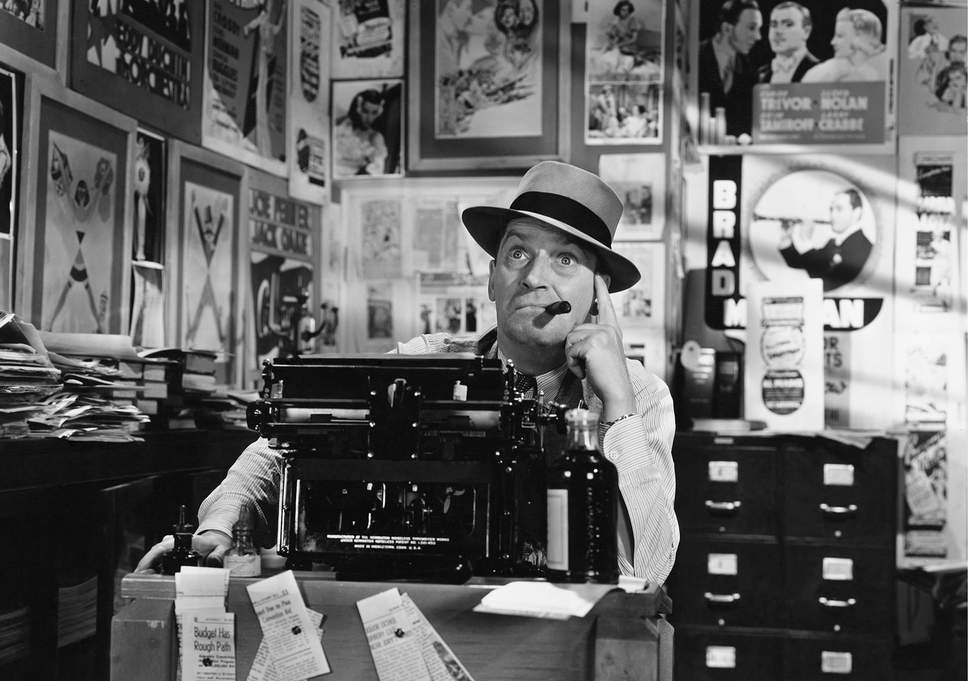
I’ve been asking students in the Media & Society class to think about the future of newspapers/journalism/truth…in an age of smart phones and social media. As suspected, few read a newspaper and most get their news from their phones. That’s to be expected and there are many reasons why newspapers are fading into obscurity. But I’m constantly reminded that news reporting and journalism can not, and must not, die alongside newspapers. Here’s why…

Wondering about the future of journalism…

Without journalists we wouldn’t know that celebrities and wealthy business executives were involved in a scam to get their kids into elite universities. Fake test scores, made-up athletic achievements, and even photoshopped pictures of these kids were used to bribe coaches and administrators, and in so doing deprive worthy students of their seat at the table.

Without journalists we wouldn’t know what happened when a group of kids from a Catholic high school were confronted by a group of Black Hebrew Israelites and Native American protesters on the steps of the Lincoln Memorial. We might have heard a rumor or one person’s interpretation of what happened, but we wouldn’t have found out how it really went down.

Without journalists we wouldn’t know that Michael Jackson and R. Kelly have dark pasts and that swirling allegations of child sexual abuse may finally be brought to light and justice may finally be served.

Without journalists we wouldn’t know about the opioid epidemic, the risk that black mothers face in childbirth, and the horrific rise of teen suicide among Native Americans.

Without journalists we would only know what people in power want us to know…and that is a recipe for…disaster/dictatorship/destruction.

But we’re in a strange place where we know that we need journalists and journalism, but we can’t figure out how to pay for it. We’ve been free-riding on the backs of legacy media systems that are failing…and the rising role of digital platforms like Google and Facebook has not held out much reason for hope. But one thing is certain…we need to figure it out soon, or we’re going to pay a much steeper price in the future. If you think gaining knowledge is expensive, wait until you see how much ignorance costs!

Making YouTube Safe for Advertisers

With 500 hours of video uploaded every minute, YouTube has an enormous problem. How do you monitor that much content to ensure that it meets company guidelines and policies, and protects users and advertisers? Let’s be honest, for a company that makes $$$ on digital advertising any threat to that income stream is going to receive their full attention.

Recent concerns about threats to the welfare of children surfing YouTube have caused some companies to pull their advertising. AT&T, Epic Games (publisher of Fortnite) and others have stepped away to protect their brands from being linked to content, or comments, that cross the line. According to an article in Wired magazine, YouTube is an unwitting accomplice to some pretty awful exploitation. “It’s yet another example [of] YouTube’s algorithm doing what it’s designed to in order to show viewers what it thinks they’ll want, and in this case, it’s actively enabling the production and distribution of paedophilic content.”

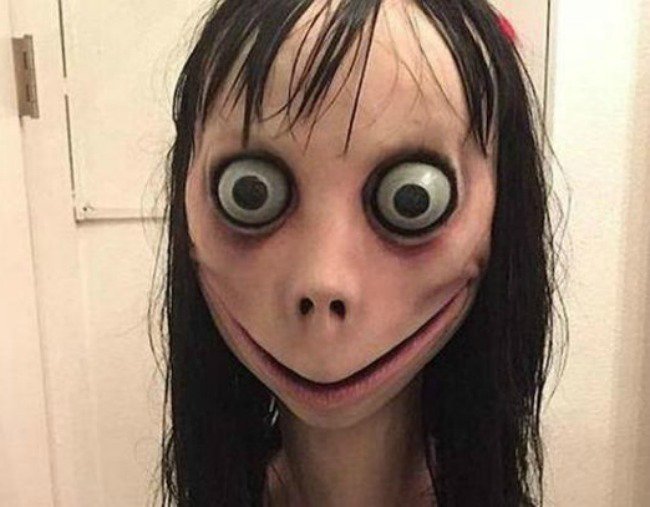
The image of Momo was created by a Japanese special effects company called Link Factory.

While much of the concern is justified, the Momo Challenge hoax* has resurfaced prompting YouTube to pull all advertising from certain videos that contain reference to the creepy image that is apparently linked to messages of self-harm. According to The Verge, YouTube is applying their Advertiser-Friendly Content Guidelines to justify pulling ads from these videos.

And that brings us back to the real threat here. It is not just a threat of pedophilia, or promotion of self-harm…but the threat to a financial machine that must be protected and kept safe from existential threats in the form of advertiser boycotts. Now that’s scary!

*For more about the viral hoax associated with Momo, see this article from Nieman Lab.

css.php