You just need to look it up!

Peaceful protests, demonstrations, rioting and looting…all are forms of speech but not all are protected by the 1st Amendment to the Constitution. If you’re a journalists, it is important that you understand what is, and what isn’t, protected speech. If you don’t you risk having some ramen noodle-eating dude call you out on TikTok.

@justsomedude187

someone should let them know about the amendments

♬ original sound – J-Dizzle

So how exactly did CNN anchor Chris Cuomo get it so wrong? As much as you might support the cause of BLM and as passionate as you might be about the evil of police brutality, “the right of the people peaceably to assemble, and to petition the Government for a redress of grievances” (emphasis added, but unnecessary) is pretty obvious to even the casual reader of the Bill of Rights.

While I share no sympathy for Confederate generals and the flag that has become a symbol of white supremacy, I also respect the rule of law that protects the rights of those who see that same flag as a symbol of their heritage. Hate speech is not (yet) a crime, and the 1st Amendment protects the rights of some pretty awful people who hold on to some very bad ideas.
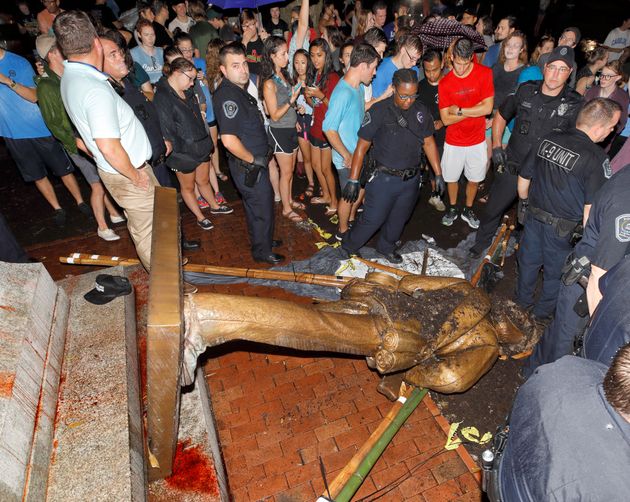
So what about the destruction of monuments in recent days? Should protesters be allowed to tear down images that they oppose or should they patiently wait for due process to run its course? We might argue that we’ve waited too long already, and now is the time for action. But you can also imagine an unruly mob of protesters in the future tearing down a statue or memorial that celebrates a person or a cause that you support. Would you respect those protesters and their “right” to express themselves?
Cops Pulled from Lineup

After more than 1,000 episodes, the longest-running reality TV show is coming to an end. Paramount Network, in response to public outcry over the death of George Floyd, has pulled Cops from production, making the 33rd season its last.

Cops started in 1988 during the WGA strike that crippled the production of scripted TV programs. The show quickly developed a following as viewers tuned in to ride-along and observe the “real-life drama” that happens in the parts of town that they wouldn’t dare drive through on their own.

Using a cinéma vérité approach to bring policing to the small screen, Cops and various spin-offs that followed became low-cost programing hits. But the dramatized portrayal of crime and punishment as spectator sport left critics disturbed about the way that it portrayed the “stars” of the show. With recent scrutiny focused on police brutality, especially towards suspects and victims who are minorities, the fate of the long-running program was sealed.

But reality TV shows are only part of the equation. With scripted dramas like Law & Order, CSI, and Blue Bloods also under the magnifying glass, we may be witnessing the start of a new approach to how we tell stories about law enforcement and the people who serve as first responders. For decades crime dramas have made up a significant portion of prime-time TV schedules, and for decades we have known that the portrayals of victims and perpetrators have not reflected reality. As I’ve said before, art is a mirror…but it is a funhouse mirror that distorts reality and alters perceptions.

According to IMDb’s entry about the Cops TV program, “The theme song, ‘Bad Boys,’ is one of the most well known television theme songs in the last 30 years. The lyric, “what cha gonna do when they come for you?” takes on new meaning when the bad behavior of law enforcement officers is in the spotlight.

css.php