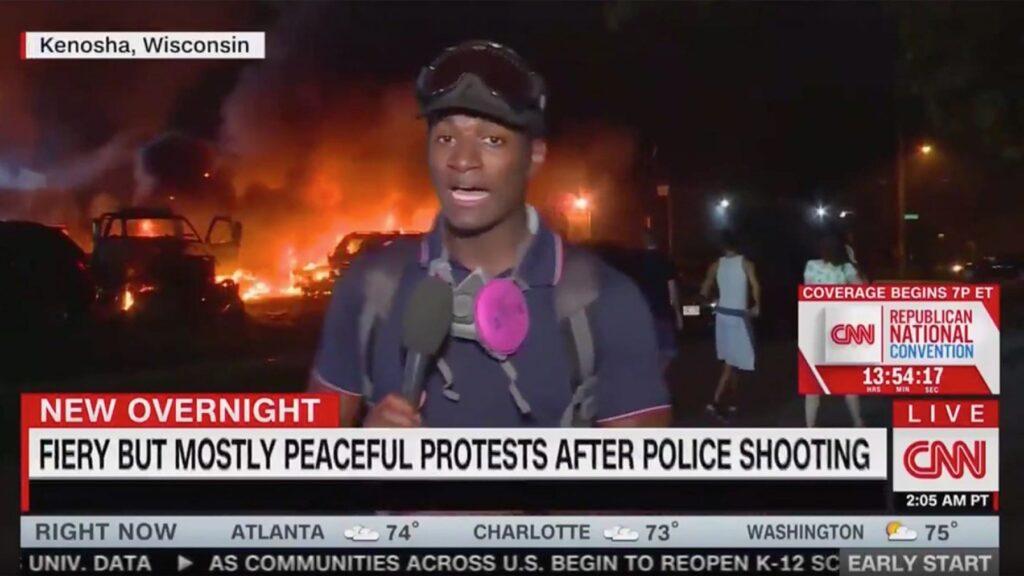
Have you found yourself wondering just what to believe? Biased and agenda-driven journalism, disinformation campaigns on social media and widespread conspiracy theories make it nearly impossible for the average media consumer to know what to believe. Our brain and heart are in a constant battle, or so it seems, to sort out facts and feelings. Our natural inclination to think fast instead of slow is part of the problem. But so is our inclination to confirmation bias and its various manifestations. These cognitive deficiencies rob us of our ability to be rational and make us more likely to fall for faulty logic.

This is a time of great uncertainty and conspiracy theories are thriving: 9/11 was an inside job, vaccines cause autism, the Clintons have had political opponents murdered, Antifa members are setting wildfires in the Pacific Northwest, and Covid-19 is a bio-weapon developed in a lab. These are just a few of the recent conspiracy theories that are widely dismissed as untrue. 1
Media literacy is one of the goals that I hope to achieve with the Media & Society class. And by “achieve” I don’t necessarily expect fluency after a 14-week course but rather an appreciation for the idea of media literacy and a foundational understanding of what it means to be an informed consumer and producer of media content. So much of what we know (or think we know) is based on the media we consume. And like food consumption, media consumption can be improved with a few simple practices.
- Eat slowly (chew before swallowing)
- Avoid junk food (e.g., sources lacking credibility)
- Add fiber/roughage (difficult-to-digest material that actually cleanses the digestive system)
- Practice occasional fasting (a constant connection to the information stream can be toxic)
- Don’t share found food unless you know what you’re doing ( those mushroom may be tasty, magic, or deadly).2
With conspiracy theories so prevalent we need to be extra vigilant avoid becoming a believer, or worse, an evangelist for conspiracy theories and disinformation.
1 Worth noting that the phrase “conspiracy theory” is also a rhetorical device used to discredit an idea or belief that someone else holds. If I think your belief is unfounded, calling it a conspiracy theory is my way of dismissing your view as irrational. Take, for example, the idea that Trump’s behavior and interactions with Ukraine amounted to an abuse of power. While some (mostly Democrats) believe that the President’s actions justified impeachment, his supporters dismissed their accusations as a conspiracy theory.
2 If you’re not a mycologist, eating that fungi may change your status from “fun guy” to “dead guy.”