$167,000 per second

No, that’s not the growth rate of the national debt. It is the price for a TV spot. A 30-second ad will cost advertisers $5 million this coming Sunday. Super Bowl 50 (let’s just forget about that “L” thing for a moment) will likely have an audience of 115-120 million viewers, and this is a chance to pitch all 120 million of them with your brand or product. It is the only remaining mass media event that can pull a live audience of this size…and because of that it can command outrageous sums of money from brands that want/need that kind of exposure.

Here’s a video from last year that helps to explain…

When you’re spending this kind of money you want to maximize the effect and, if possible, increase exposure. One way is to release your ad on YouTube prior to the big day, and hope that you can build buzz online with social media. One Super Bowl ad that was very effective with this approach was VW’s The Force spot. This year Budweiser is trying it with a don’t-drink-and-drive spot featuring Helen Mirren. You can see it here…

https://www.youtube.com/watch?v=Rb2VXVmUga4

Selling Out

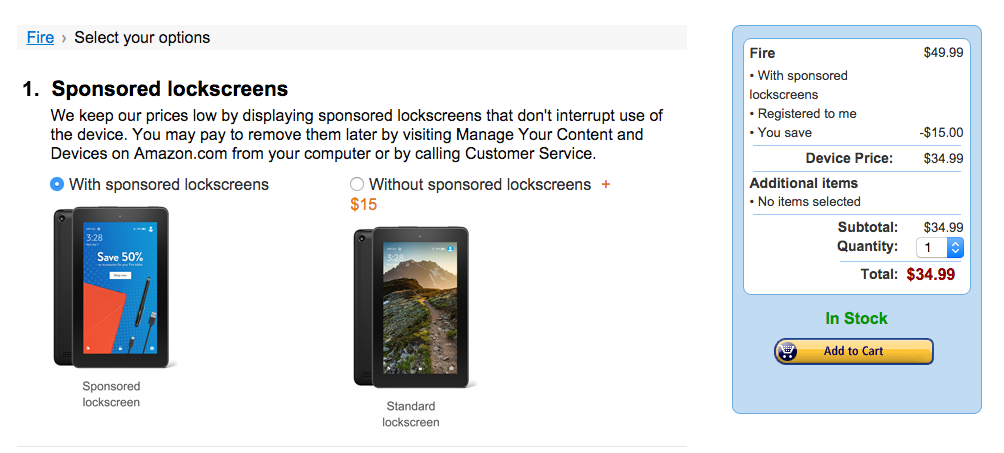
I bought an Amazon Fire tablet today for the ridiculously low price of $34.99. That’s $15 less than their usual ridiculously low price. Today’s special is not just a Black Friday “door buster” bargain. No, the additional $15 off is available to anyone who is willing to let Amazon place an ad on the tablet in place of the lockscreen image. That’s right, I sold the lockscreen on my tablet to Amazon, and invited them to use it to advertise to me so that I could save $15. I don’t know whether to feel like a smart shopper or a sell out. Actually I do, but I’d rather think of myself as a smart shopper.FireLockScreenAd

Ad of the Day, featuring MCCNM alum Megan Matousek

Every so often one of our amazing MCCNM alums does something really fantastic…and this time it is Megan Matousek, class of 2005. Megan works for Industrial Light & Magic, and most recently had a hand in the making of a commercial spot for Duracell.

You can read more about the spot here, at the Ad Week website. Scroll to the bottom for Megan’s credit.

Prognostications about Political Programming

The first Tuesday in November is typically election day…the day that ordinary citizens voice their preferences for candidates and ballot issues. This year is an off-year election, meaning that candidates on the ballot will be those running for school board, city council, mayor, etc.–not governor of the state or president of the United States. The national election for the office of president will come next year.

But 2016 will be here before you know it, and the major political parties are well under way with their process of determining who will be their candidate for the general election. While the Democratic party appears to have settled on Hillary Clinton as their candidate, the Republican party is still struggling to find the best candidate to go toe-to-toe with Hillary.

The surprising strength of billionaire Donald Trump’s candidacy is having an equally surprising effect on TV ratings. The three Republican debates thus far have generated much higher ratings that similar events in the past. Trump, the media celebrity, has leveraged his “star”-power and bombastic personality to attract viewers to TV programming that might otherwise be about as exciting as watching C-SPAN.

Which brings us to a very strange phenomenon. The appeal of huge ratings has the TV networks fighting over these political debates as if they were NFL games. Winning the contract to televise a presidential candidate forum has become a permit to print money…and the candidates know it. That is why representatives from each of the major candidate’s campaigns recently met to agree to new rules that will allow them to dictate to the networks how to structure future debates. The candidates are in the driver’s seat and they are going to decide where they want to go.

And one place they want to go, collectively, is away from networks and moderators who are less than friendly. The most recent Republican candidate debate, hosted by CNBC, a subsidiary of NBC, was widely criticized by political observers, and the candidates themselves. According to RNC chairman Reince Priebus,

While debates are meant to include tough questions and contrast candidates’ visions and policies for the future of America, CNBC’s moderators engaged in a series of ‘gotcha’ questions, petty and mean-spirited in tone, and designed to embarrass our candidates.

CNBC’s approach will work if the candidates are at the mercy of the TV networks to get their message out. But in this day and age with social media and websites and competing news outlets, the control is slipping away from TV networks. If they want to keep the debates, and the associated advertising dollars, they will have to make concessions to the news-makers.

In all of this journalists and TV news networks need to remember that credibility is their primary product. If and when they lose credibility they will have little to offer. And according to a recent Gallup poll journalists’ credibility is below business executives, on par with lawyers, and just a few notches above advertisers, politicians, and lobbyists.
Are You Ready for Some Star Wars?

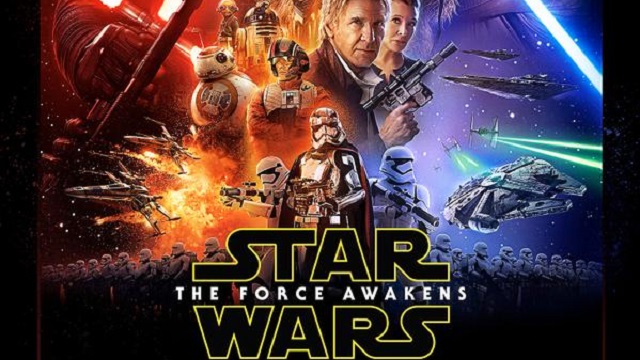
star-warsLast week’s Monday Night football game on ESPN was an excellent opportunity for Disney (parent company of ESPN) to promote its latest Star Wars movie. In case you didn’t know, Disney bought Lucas Films (creator of the Star Wars franchise) in 2012 for $4B. That acquisition was what happens, “when you wish upon a death star” according to one report.

Advertising is when one company pays another to promote its products. But if the company that wants to advertise is a media company, and it wants to promote its own products by using its own media space to do so, we call that promotions. TV networks promote specific programs to targeted demographics watching other programs. Radio stations promote themselves with their own airtime trying to build brand identity and loyalty. Even newspapers and magazines promote upcoming features or issues.

Disney using ESPN’s broadcast of NFL football to promote its upcoming film release is a no-brainer. NFL football is hugely popular…and a perfect audience for the new blockbuster. But this promotion actually worked both ways. The ESPN telecast actually saw a ratings spike as people tuned in to see the world-premiere of the latest trailer. That’s right, people tuned into the program to see the commercial! Now that’s marketing mojo. Theater servers crashed as fans rushed to pre-buy tickets for the latest installment. According to Josh Rottenberg of Tribune News, in the first hour after the half-time trailer, 1.3 million people interacted with it on Facebook and the Twitterverse lit up with some 17,000 tweets per minutes. AMC Theatres sold out more than 1,000 shows nationwide in less than 12 hours. Now THAT’s a force to be reckoned with!

You can see the buzz-generating promo on YouTube at https://youtu.be/sGbxmsDFVnE


Marketing Missteps Turn Into PR Pratfalls

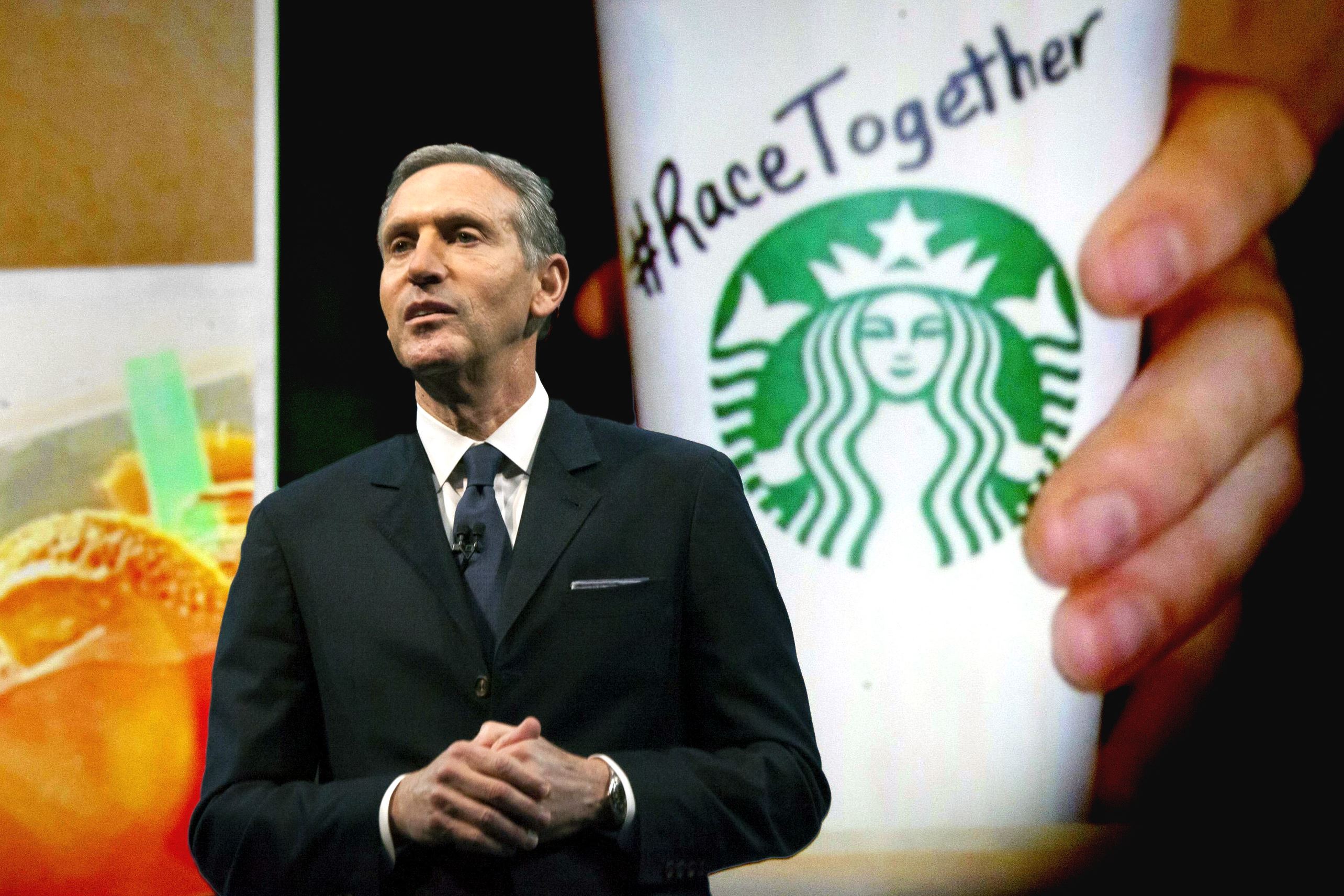
Companies take risks and try new things. Sometimes they work, and other times…well, let’s just say they sometimes fail to produce the intended result. Starbuck’s “Race Together” campaign is just one of the most recent examples of a well-intended effort that backfired when consumers used social media to push back. Interactivity is one of the things that makes social media so incredibly powerful and valuable. But like any powerful force, if it gets out of control (which it so frequently does) it can wreak havoc.

Mae Anderson, of the Associated Press, makes the point that this is not unique to the coffee giant. Plenty of other marketing blunders have mushroomed into PR blunders when corporations lose control of their message in social media spaces. Coke, the Gap, Lululemon, and even J.P. Morgan have felt the wrath of consumers who didn’t like the: new taste, new logo, new transparency, or lack thereof.

In another AP news article the Starbucks campaign was defended as simply a failed attempt to try to do the right thing.

At its annual meeting, Schultz said he didn’t think Starbucks would solve the country’s “centuries old problems of racism” but that he thinks it can make a difference. He said workers don’t have to participate, and that stores will make customers another drink or cover up cups if they don’t like the message. “This is not a marketing or P.R. exercise,” Schultz said.

Even if we take their word for it and accept that they did not intend for this to be a marketing or PR exercise…it is clear that it has become exactly that.

Uber’s Image Problem

UberPerhaps you’ve heard of Uber, the smartphone-enabled ride-sharing alternative to traditional taxis. Uber, along with Lyft and Sidecar, work on the premise that a person with a car can offer a service to someone who need a ride, and make a few bucks in the process for both the driver and the company. Now that most everyone has a smartphone–and with real-time location services knowing your every move–connecting drivers and riders is really pretty simple.

But Uber, like the other start-ups, has a few natural enemies. Taxi cab companies don’t like having their business syphoned off by competitors who are not licensed and have little to no overhead.

But it is Uber’s CEO and a senior VP who may become the company’s greatest liability. CEO Travis Kalanick, whose aggressive leadership has been credited with the quick rise of the company, has ruffled more than a few feathers with his aggressive business practices. Uber has been accused of violating its own privacy policy and tracking users for suspect reasons. (You can read more about that on the ACLU blog.) And recently, Uber VP Emil Michael has suggested that Uber should investigate journalists who have been investigating Uber.

Specifically Michael targeted Sarah Lacy, co-editor of the Pando Daily website. Lacy has been critical of Uber’s treatment of women and has been leading the call for Uber to clean up its act. And for that, according to The Tech Bulletin, “A top executive of Uber explained a Nixonian plan to dig up dirt on the journalists who are critical towards Uber and sully their reputations.”

One doesn’t have to be a PR pro to see that this is not a smart move by Uber. Picking a fight with journalists is seldom a good idea. As Bill Greener, press aide to Gerald Ford and Donald Rumsfeld in the 1970’s once said, “Never pick a fight with someone who buys ink by the barrel” (Lewis).

Protecting the Brand

NFLShieldThe Broncos and Seahawks gave us a great game this afternoon. Millions tuned in to see the rematch of last year’s Superbowl, and this time it was a much more interesting affair. But if you’ve been paying attention to the news the past few weeks you know that the NFL is in the spot light…but not for the right reasons.
The PR debacle that has the media in an uproar didn’t start with Ray Rice and Adrian Peterson, nor will it end there. But eventually the media attention focused on NFL players behaving badly will come to an end because the NFL is first and foremost about money…and these momentary distractions, if left unchecked, will get in the way of making money and that would be (according to owners and league officials) an even greater problem than this current mess.

Anheuser-Busch spends upwards of $200M a year advertising on NFL broadcasts and have publicly said that they are “disappointed” in the NFL. That kind of money talks, and Commissioner Goodell is listening. That’s why Goodell made a public apology…or at least I think that’s what the press conference a few days ago was supposed to be. The top three rated TV programs last week were…you guessed it…Sunday Night Football, Monday Night Football, and Thursday Night Football. As long as American continue to watch NFL broadcasts, and as long as advertisers pay big bucks to reach those viewers, the NFL will continue. Sure they’ll make a few changes and get rid of a few bad actors. But when the average “career” of a pro player lasts only four years, losing a player or two over bad behavior off the field will not change the game or the bottom line.

I realize this perspective comes across as cynical and jaded. I wish it were different. I wish that the institutions surrounding professional sports, including the media empires that have learned to monetize and merchandize athletic achievement, were more sensitive to the long-term cultural implications of their choices. I wish the NFL brand stood for something more.


Cashing in on Legal Pot

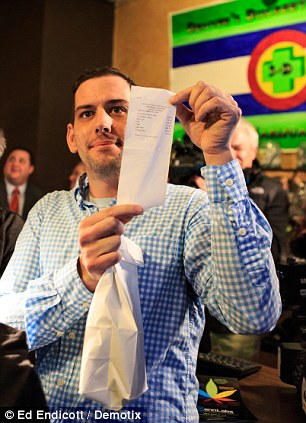
retail potThe state of Colorado is involved in a grand social experiment. Recreational marijuana is now legal for adults (over the age of 21), and since January 1st is available through retail establishments known as dispensaries. A similar experiment is underway in the state of Washington, but for now I’ll focus attention on the state that I call home.

Plenty of time and energy has been devoted to the debate over the wisdom of making marijuana available over the counter. This post is not about the decision itself, but how media outlets are responding to the opportunity to cash in by carrying advertising for dispensaries. Any discussion about the legality and propriety of accepting advertising is compounded by the fact that marijuana use remains a federal crime. And while federal authorities have promised to look the other way with regard to Colorado’s new law, the fact that radio and TV broadcasters are licensed by the Federal government is having a chilling effect on local broadcasters. According to Justin Sasso, president and CEO of the Colorado Broadcasters Association, the CBA doesn’t think it’s wise for stations “to risk their license–or the legal fees required to fight for their license–if the federal government decides to crack down on broadcasters” (Broadcasting & Cable, Feb 3, 2014, p. 28).

The State of Colorado has a few things to say about advertising retail pot. Last fall the Colorado Department of Revenue issued a 136-page document that stipulates, among other things, that advertisers must have reliable evidence that the audience for the ad does not contain more than 30% under the age of 21. According to the website The Cannibist, the publications High Times and Westword have sued the State of Colorado claiming that the restriction on advertising is an infringement of First Amendment rights. In addition to age restrictions, advertisers may not use outdoor advertising, may not buy out-of-state ads, nor promote marijuana tourism.

Cable TV is subject to different regulations than broadcast TV so if we see TV ads anytime soon we would expect them to appear first on select cable channels. Websites, of course, are subjects to even fewer regulatory restrictions. The Cannabist, a website by The Denver Post newspaper, is staking out territory on the web and will likely become a venue for advertising in the future. The Post even has its own marijuana editor, Richardo Baca.

In some ways this debate is made moot by the fact that marijuana dispensaries have been overwhelmed with business. That, and the free publicity provided by the news media, makes advertising unnecessary for now. However, as more vendors compete for customers, as supply matches and exceeds demand, and the novelty and media attention fades away, advertising will become increasingly important. And then the difficult decisions will have to be made.

Mac turns 30

Thirty years ago Steve Jobs and Apple Computer introduced Macintosh to the world. You may recall that the 1984 TV spot aired only once, and that was during the Superbowl in 1984. Of course the ad has appeared in many places since then, and is still held up as one if not the greatest TV spots of all time.

But I’ve addressed the 1984 spot in earlier posts so I’d like to focus on the affection that the creative community has for the Macintosh operating system and the Apple hardware that runs it. Whether you’re a graphic artist or musician, video editor or animator, the Mac is probably your computer of choice. From the start Apple’s attention to design and style was noticed by people who care about such things. In fact, Steve Jobs admits that his inspiration for building a better computer started with a typography class.

In the mid 1980s a Macintosh computer, a laser printer, and PageMaker software allowed graphic designers to create flyers, posters, pamphlets and other print pieces that rivaled what could be produced in a small print shop. A few years later audio recording and video editing software made large studios and production facilities appear to be unnecessary. The iLife software (iMovie, iPhoto, GarageBand, etc.) that shipped free with every Mac provided access to simple-to-use tools capable of creating amazing works of art. Of course, in the hands of amateurs there was plenty of dreadful art as well.

I was fortunate to have a MacPlus as my first computer at work. It had 1MB of RAM, a single floppy disk drive, and it cost about $2,599. I was able to create documents that I saved to a 720K floppy disk. Then I took the disk next door to my colleague who had his Mac attached to a laser printer. Those were exciting days!

This video by Apple captures some of the excitement and creative energy that Macintosh brought to the community of artists and those who defied the reign of Big Blue.

http://www.youtube.com/watch?v=Xp697DqsbUU

css.php