Sorry, but this is another politically-themed blog post. I know that many of you have seen and heard enough after 18 months of political campaigns, debates, and negative ads; all of it adding up to what will likely be remembered as the most contentious election cycle in history.
But I need to take one more opportunity to discuss the role of the media in our democratic process. Our system of government depends on the participation of an informed electorate. Access to reliable information from non-partisan sources is essential to ensure a that “government of the people, by the people, for the people shall not perish” (Lincoln’s Gettysburg Address). According to Martin Baron, executive editor at the Washington Post, “If you have a society where people can’t agree on basic facts, how do you have a functioning democracy?” (NYT)
I received an email today with a list of recommended articles.  Here’s a screen shot of two of them. I don’t know Max Read or Mike Masnick, but one of them is, apparently, an idiot. But seriously, they can’t both be right…unless they are. It is certainly true that social media has been a game changer for political campaigning, and Donald Trump and his surrogates have been incredibly effective. But it is also true that there are many other dynamics that explain the outcome of this race.
There is a growing sense that the election this week was revolutionary. The fact that most of the reporters, commentators, pollsters, and pundits were caught off guard by the outcome is remarkable as well. Some have speculated that journalists seem to be more out of touch than ever with rural folk in the country’s heartland (what some dismiss as the flyover states) and that could have something to do with it. Margaret Sullivan at the Washington Post claimed that most journalists just didn’t get it, weren’t listening, or were unable to comprehend the depth of support for Trump.
Now that the dust is settling…or at least we hope it’s settling…there is a lot of debriefing, navel-gazing, and yes, finger-pointing going on. For those in the media looking for an explanation there has to be something or someone responsible for this mind-boggling outcome. One place receiving special scrutiny is social media, and more specifically, Facebook. According to Will Oremus at Slate and Damon Beres at Mashable, Facebook’s inability or unwillingness to police its Trending news and news feed for fake news is leading many Facebookers astray.
According to Beres, While it’s obviously impossible to define how exposure to certain articles, video or photographs impacts an individual’s life, it’s downright cynical to suggest it all has zero effect.
Beres goes on to cite a study by PEW Research that suggests that “20 percent of Americans have changed their views on an issue because of something they’ve seen on social media.”
Like I said, there will be plenty of finger-pointing in the coming days, weeks and months. Some of them right now are being pointed at Facebook and other social media platforms. One thing is clear…social media is a force to be reckoned with.
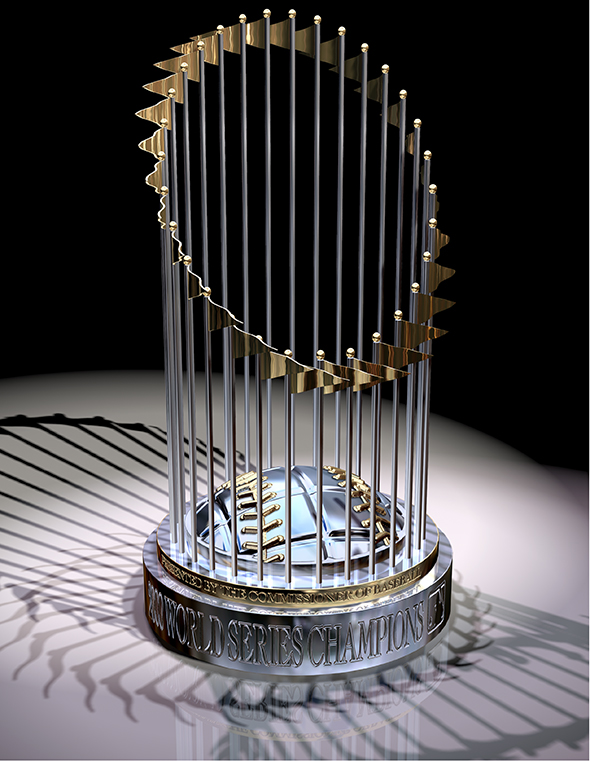 The seven-game race for the MLB championship was a much-needed break from this year’s ugly race for President. Thankfully the Chicago Cubs and Cleveland Indians gave us a welcome diversion from the bare-knuckle politics that have dominated the headlines in recent weeks. Winning a major-league championship is a big deal, and winning after a 108-year drought is even bigger.
 Mass media are essential to the process of democracy. “Government of the people, by the people, for the people” only works if the people know what’s going on…and the media provide the primary channels for that information. Of course the implication is that the mass media do their jobs in a responsible way, avoiding partisan bias and manipulation by outside interests. The brunt of this responsibility falls on journalists. Whether they work for newspapers, TV networks, or internet websites, reporters who cover the political beat are the eyes and ears of the American electorate. Ideally they report what they see and hear without speculation or conjecture.
 You may have seen news reports about emails and other documents that have recently been released to the public after they were obtained by hackers, who are likely of Russian origin. Documents were obtained from
 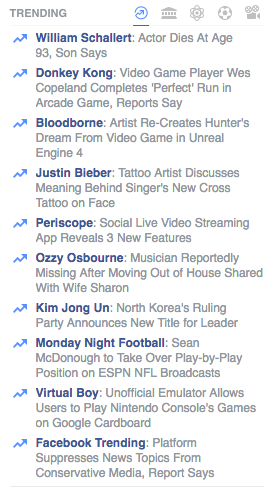 Well, for starters there’s less conservative news from conservative sources than one might expect. A recent
 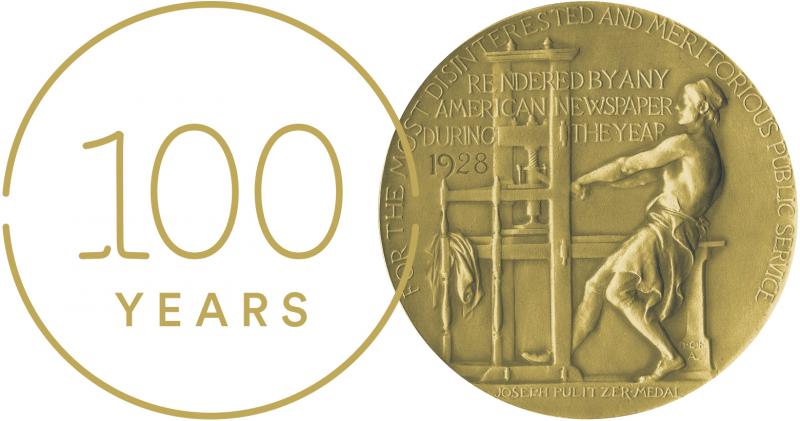 Pulitzer Prizes, arguably the most prestigious awards in journalism, were awarded yesterday and we were reminded, yet again, of the importance and significance of a free press. A quick glance at the
 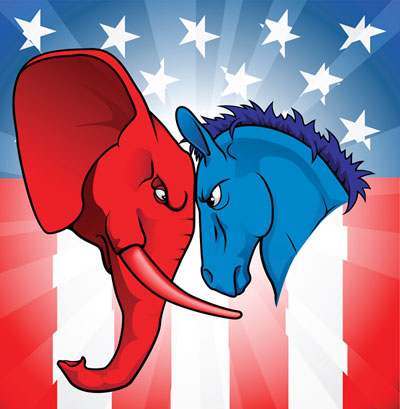 It’s an election year and my news feed is turning into a political brawl. Cable and network news shows are stoking the drama that seems to grow with every passing day. Presidential candidates are coming unhinged and saying things that would have never have been accepted just a decade or two ago. What used to be a fairly conventional, and even predictable, process has changed. And media may be part of the problem.
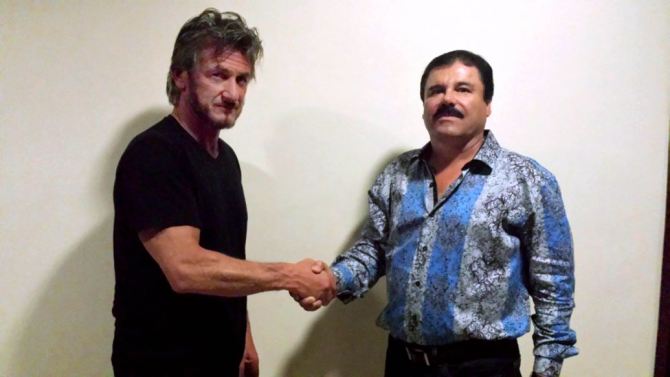 reputation. First it was the campus rape story that was retracted after the accuser’s story disintegrated. In this case irresponsible journalism damaged not only the reputation of individuals and the UVA campus community, it did damage to the cause of those working hard to reduce sexual assault on college campuses. You can read about the debacle