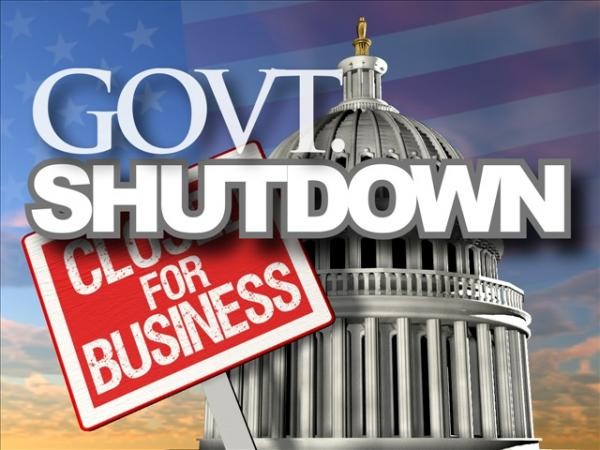
 Journalists love a good story. Drama, conflict, winners and losers and high-stakes plot twists are too tempting to resist. So when the House and Senate fight and squabble over passage of a Continuing Resolution to fund the federal government, journalists are right there recording every speech and soundbite and looking for human-interest stories of citizens affected by the partial shutdown.
Some cannot resist the urge to take sides as they inject a little commentary about who’s at fault and who’s the victim. I’m talking about mainstream media (MSM) here…the supposed neutral, objective observers of all things political. The partisan media (blogs, some cable TV news networks, tabloid newspapers, etc.) don’t even try to hide their biases. They traffic in political partisanship, and a scandal–like this current conflict–is “money”.
Social media has also been lighting up with twitter hashtags #DearCongress and #MakeDCListen. And because no breaking news event is complete without viral images and memes, Know Your Meme is on the job collecting and categorizing trending topics related to the shutdown.
But back to the MSM for a moment. This is a complicated story and how journalists frame the conflict and competing narratives will determine how their audiences understand and interpret the events. Focusing on one side’s apparent rigid unwillingness to compromise may create a less favorable view of them in the public’s eye. Trying to assign motives to actions and statements can be tricky and, perhaps, misleading.
Images of closed National Parks, soundbites with frustrated visitors to D.C.’s famous museums, and reporters’ stand-ups criticizing the inability of congress to reach consensus; these are all components of a narrative that dramatizes the current government shutdown. How we interpret these sights and sounds will determine the ultimate winners and losers.
Ultimately this is a PR battle on the part of political players who are busy assigning blame and ducking responsibility. And in that game, perception is everything. If the American public get’s sick and tired of one or the other “players” in this game, there will be strong incentive to compromise…or risk the voters’ wrath.
