If you watched the Superbowl last weekend you probably saw a few ads for Doritos. According to Nielsen, the most watched TV ad of all time, (with 116.2 million viewers), featured a Samurai attack with a Dorito chip. Doritos ads also took the top three slots for most-recalled spots and four spots in the top-ten most-liked category.
What you may also have heard is that the Doritos ads were consumer-generated spots. CGM (Consumer Generated Media) has been generating buzz for several years…all the while the Media Emperor’s cloths have begun to look a little thread-bare. The idea behind CGM is that individual consumers often possess great talent and expertise, and if you can just give them an opening, they may deliver the goods. Now, mind you, TV spot production is a big-budget undertaking requiring exceptional creative and technical expertise and should not be attempted by amateurs. In the case of the Doritos ads, the ideas, not the execution, were consumer-generated.
But according to MIT’s Ad Lab blog, the proverbial “average Joe” behind the winning spots is not as average as we might first believe. According to Ad Lab, this year’s winners, and winners from previous years, have come from the ranks of creative professions very near to the TV advertising business. Some of them have been film makers, producers, musicians, and even creative directors. For now, at least, the storybook ending where the little guy finally bests the Madison Avenue advertising machine remains, well, a fairytale.

 Behavioral targeting (BT) is a strategy that attempts to deliver relevant ads to internet users based on their surfing behavior. The good news for advertisers is that they can target niche audiences with a level of precision only dreamed about in years past. The good news for consumers, if there is good news, is that you should be seeing ads that are relevant to your lifestyle and preferences…and not a lot of ads that are targeting someone else. The idea is brilliant, but the practice does not appear to be living up to expectations for members of Gen Y. New research shows that young consumers notice the ads, but few find them relevant. As a result, about 36% never click on ads, and the remaining 74% click infrequently. If you’re an advertiser running an interactive (read “online”) advertising campaign, those kinds of numbers are very discouraging. But it is also possible that the survey responses don’t capture the whole truth. I suspect that most survey respondents are reluctant to admit that they sometimes respond to online ads. And of course not all online advertising requires a click…some of it is simply designed to create and impression without a call to action.
 After 150 years of publishing, and four Pulitzer Prizes, the Rocky Moutain News will publish its last paper tomorrow. Denver will become a one-newspaper-town, much like the rest of the nation, after the Rocky closes its doors. While the news of the Rocky’s demise was sudden, it was not surprising. The current economic free-fall has hammered the newspaper business, an industry that was already in severe trouble. The Rocky lost $16 million last year bringing its debt to $130 million. Nearly all advertising is down, with classified ads–an important revenue stream for newspapers–continuing to feel the negative effect of online alternatives such as Craig’s List. It’s a tough time to be in the newspaper business, and even worse for the 200 or so Rocky Mountain News staff who are now without employment.


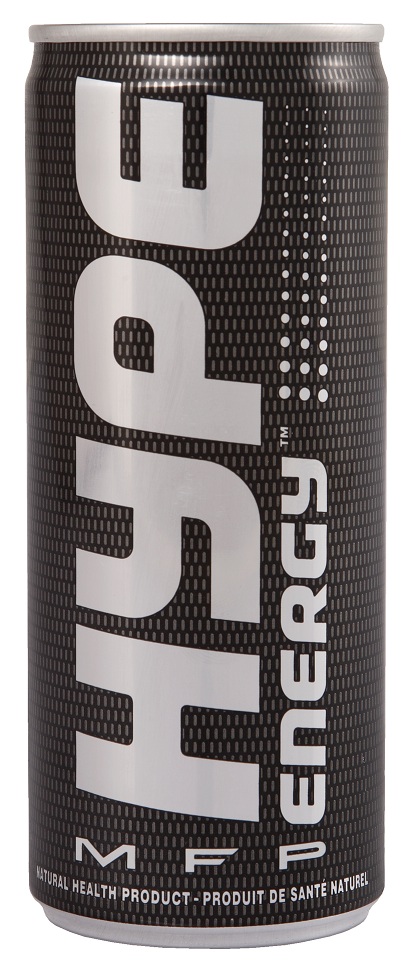 Has anyone every tried to sell you an energy drink as you strolled across campus? Or perhaps a classmate pitched the benefits of a particular brand of energy drink and its positive effects as you were waiting for your 8am class to start. No? Well perhaps you just weren’t AWARE that someone was trying to get you to buy something! Crazy talk, right? Well, what if I told you that I know a University student who earns a commission from an energy drink company, and that he carries an energy drink with him to all of his classes with a goal of “promoting” energy drink consumption on campus. Surprised? Just the visual cue provided by the unopened energy drink can sitting on someone’s desk might be enough to trigger an urge to purchase a can next time you’re near a vending machine. That, my friends, is called viral, word of mouth, or buzz marketing…and it IS a reality on this campus, and across the nation.