Overheard in a newsroom: “What is journalism even supposed to be now? We reported the facts, but they didn’t matter.” In case you didn’t hear, “post-truth” is Oxford Dictionary’s word of the year for 2016. Here’s how they define it on their website. 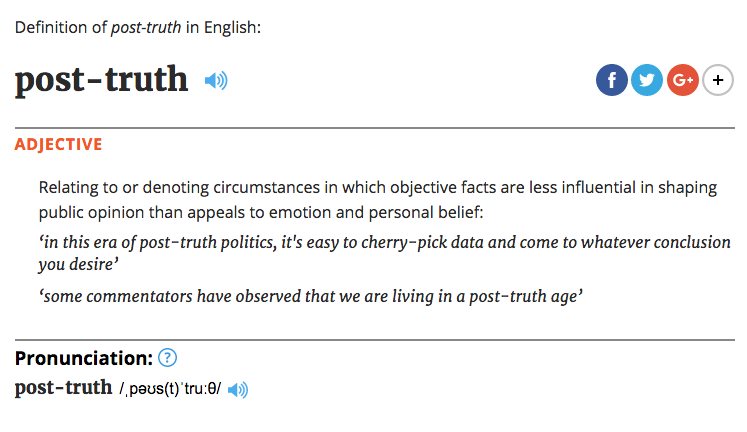
The challenge for journalists, and really anyone who get to the bottom of things, is sorting out fact from fiction, reporting from commentary, and bias from perspective.
The problem with the newsroom quote above is that too many “journalists” DIDN’T report the facts. Or when they did, they didn’t put the facts in proper context. Added to that is that reality that nearly anyone can become a de facto journalist thanks to the wonders of modern digital media and social networks. Given a place to stand and a megaphone, the most strident voices have suddenly found themselves with the ability to sway opinions…even, perhaps, influence elections.
If it seems that this blog is stuck on this topic (see recent posts about fake news and fact-checking), you’re right. But this is important…and if we don’t get this right we’ll have to live with the consequences. What consequences you say? Well, for starters how about a future where ideological conflicts spill over into the streets…where discourse and discussion give way to hate-filled rhetoric designed to alienate and subjugate the opposition?
Unfortunately some of the proposed solutions may turn out to be worse than the problem. Giving social media platforms a reason and permission to edit users’ posts is a dangerous and slippery slope. Do we really want Mark Zuckerberg’s algorithm and a team of editors deciding between fact and fiction, bias and perspective? We’ve already witnessed the failure of that approach earlier this year.
Recently Twitter booted accounts from those connected to the alt-right movement for “harassment and ‘hateful conduct,’ which includes “non-consensual slurs, epithets, racist and sexist tropes” and “behavior that incites fear about a protected group.” This led the editors at Slate to ask if Facebook or Twitter might possibly ban President Trump. Twitter responded that it wouldn’t rule it out. As Slate said, “That’s a tough line from a company that once declared itself the ‘free speech wing of the free speech party.’” (BTW, the click-bait headline for this post might have been: “Twitter considers banning President Trump!”)
So where are we now? Some of the ejected Twitter users have moved to a new platform that promises greater freedom of speech. Gab.ai is, according to the New York Times, the far right’s “new digital safe space.” It’s much too early to tell if Gab has any legs, but if it does it will likely do little to advance dialog and understanding between those contending for the future of our country. Amanda Hess of the NYTimes sums it up nicely, “It’s the next logical step after all the blocking and muting on Twitter and filtering and unfollowing on Facebook split America into two social media realities. Where there once was a bubble, now there’s a wall.”
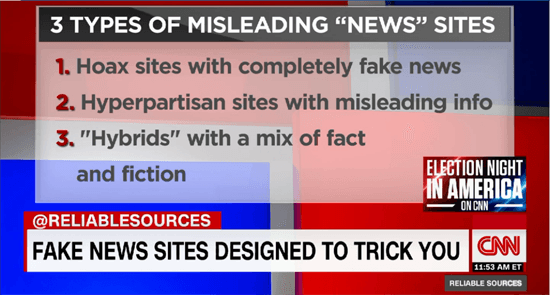 There’s been a lot of discussion lately about the potential danger of fake news. Apparently we’re a lot more gullible and susceptible to misinformation than anyone imagined, and IT IS KILLING DEMOCRACY! Okay, that conclusion may be overstating it a bit, but the number of media and political analysts who are wringing their hands over the outcome of the recent election seems to be growing. And seeking an explanation (or scapegoat), some are pointing the finger at fake news.
 Here’s a screen shot of two of them. I don’t know
  The seven-game race for the MLB championship was a much-needed break from this year’s ugly race for President. Thankfully the Chicago Cubs and Cleveland Indians gave us a welcome diversion from the bare-knuckle politics that have dominated the headlines in recent weeks. Winning a major-league championship is a big deal, and winning after a 108-year drought is even bigger.
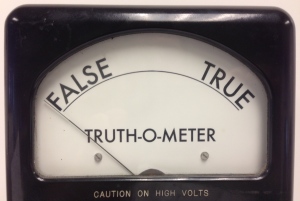 Mass media are essential to the process of democracy. “Government of the people, by the people, for the people” only works if the people know what’s going on…and the media provide the primary channels for that information. Of course the implication is that the mass media do their jobs in a responsible way, avoiding partisan bias and manipulation by outside interests. The brunt of this responsibility falls on journalists. Whether they work for newspapers, TV networks, or internet websites, reporters who cover the political beat are the eyes and ears of the American electorate. Ideally they report what they see and hear without speculation or conjecture.
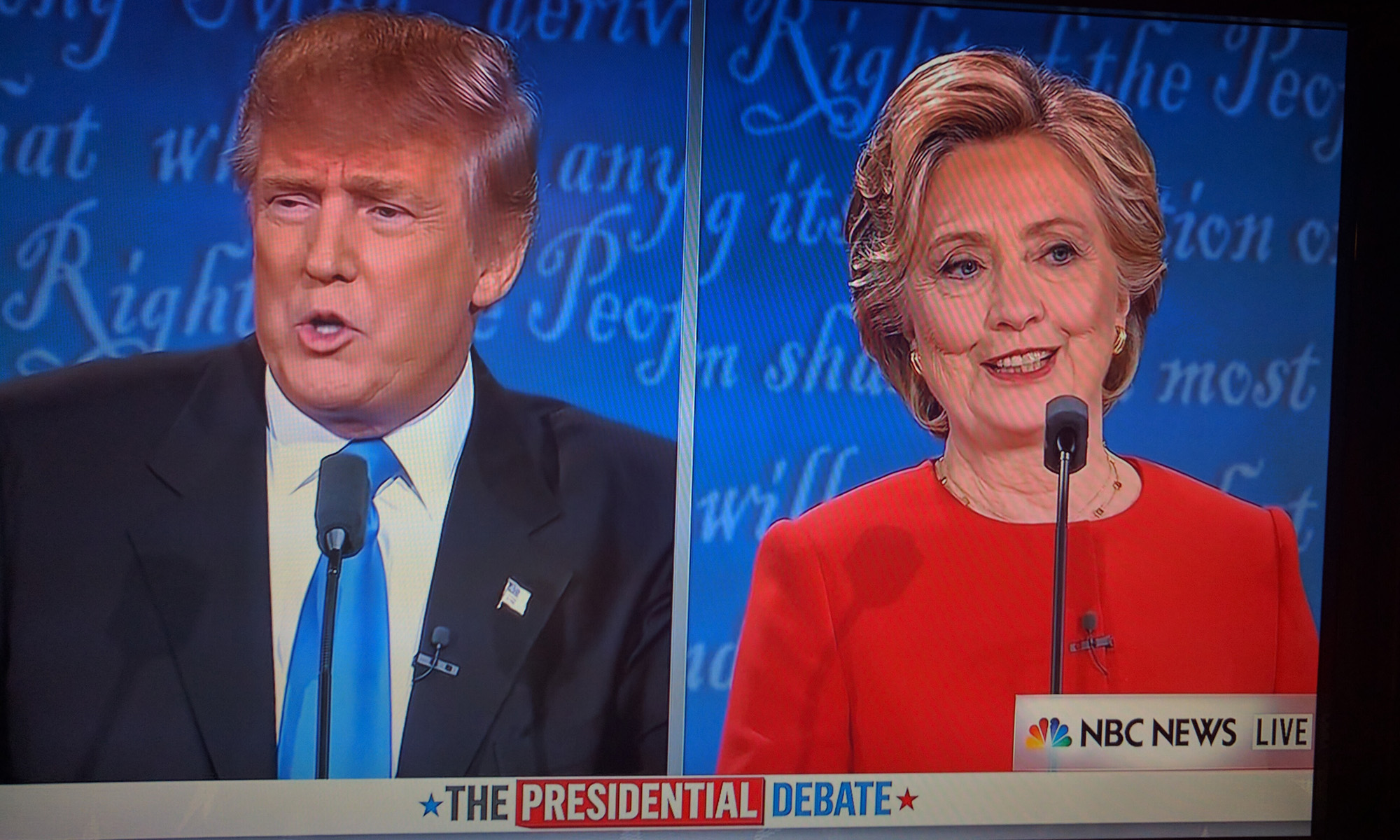 The first of three presidential debates between candidates Hillary Clinton and Donald Trump was expected to set a new record for audience size as the two “least popular” candidates in decades took the stage tonight. The previous record goes back to 1980 and the Reagan/Carter debate.
 You may have seen news reports about emails and other documents that have recently been released to the public after they were obtained by hackers, who are likely of Russian origin. Documents were obtained from
 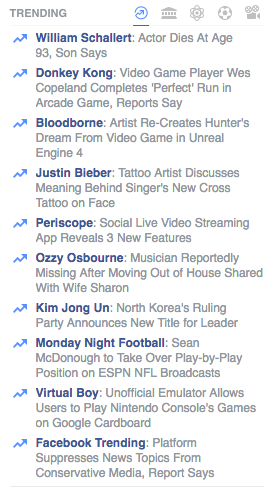 Well, for starters there’s less conservative news from conservative sources than one might expect. A recent
 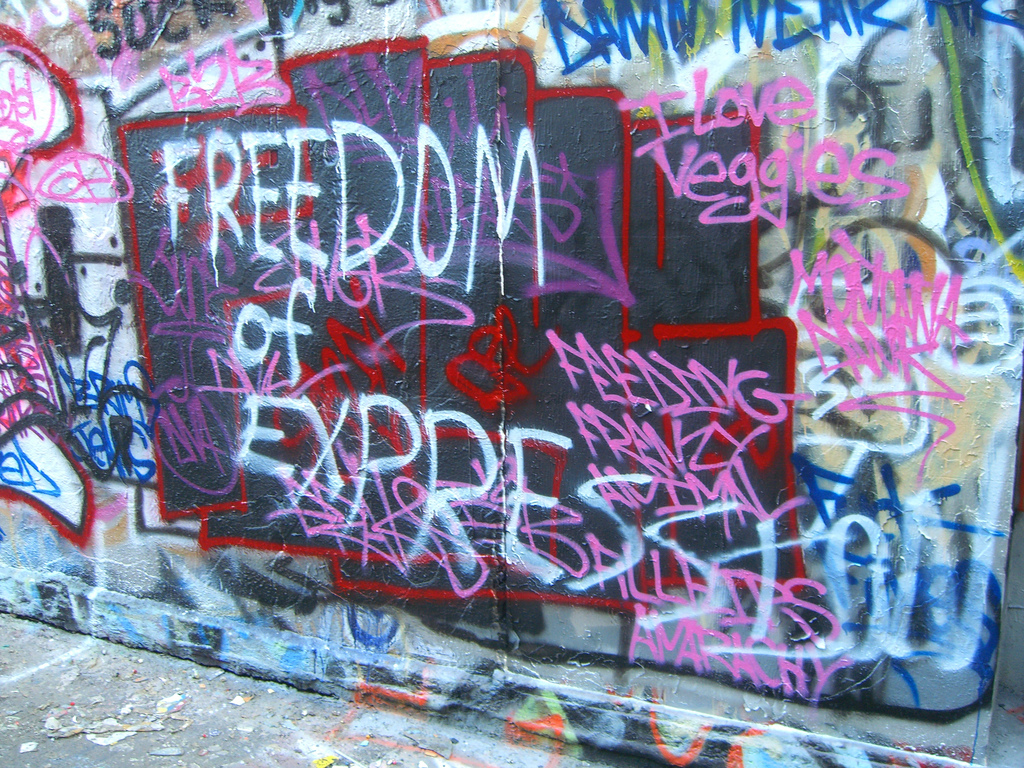 ESPN’s decision to fire baseball commentator Curt Schilling is not an infringement of Schilling’s rights under the First Amendment. Companies have parted ways with high profile employees for all sorts of public statements or deeds that were at odds with the company’s image. A few that come to mind are: